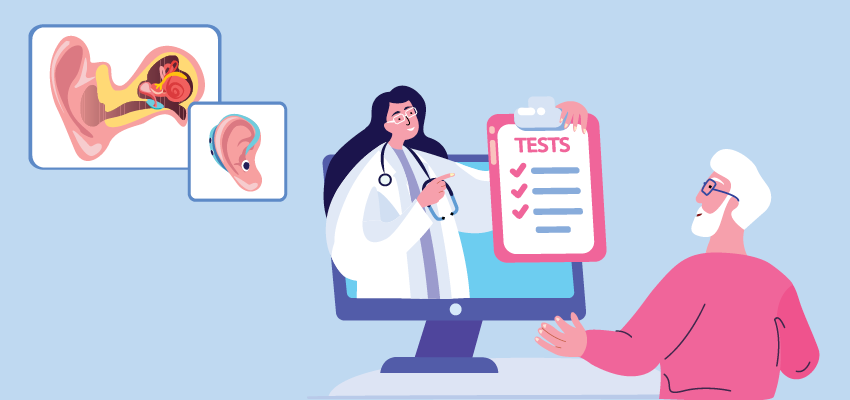
Most people wait up to 10 years to schedule a hearing test once they notice their hearing has changed. In many cases, hearing is not evaluated until conversations become difficult, the television volume keeps creeping higher, or loved ones begin pointing out communication struggles. But hearing experts agree that the best time to test hearing is at the very first sign of change, even if that change seems minor.

Subtle hearing changes can appear gradually. Voices may sound muffled in noisy restaurants, phone conversations may become harder to follow, or there may be a need to ask others to repeat themselves more often. Because these changes often happen slowly, many people assume they are simply part of aging or something to deal with later. However, early detection is important because untreated hearing loss can affect far more than communication.

Research continues to show strong links between hearing loss and overall cognitive health. When hearing becomes more difficult, the brain must work harder to process sound and fill in missing information. This extra mental effort, often called cognitive load, can leave fewer resources available for memory, focus, and comprehension. Over time, untreated hearing loss has also been associated with listening fatigue, social withdrawal, depression, increased fall risk, and cognitive decline.

One of the most significant findings identified hearing loss as one of the largest potentially modifiable risk factors for dementia. Additional research suggests that treating hearing loss with hearing aids may help slow cognitive decline in older adults at higher risk. These findings highlight why early testing and intervention matter.

Another major reason to schedule a hearing test early is to establish a baseline. A baseline hearing evaluation provides a snapshot of hearing health today, making it easier to monitor changes over time. Much like routine eye exams or annual physicals, a hearing baseline helps identify subtle shifts before they become severe enough to significantly impact daily life.

This is especially important for individuals with risk factors such as family history of hearing loss, frequent noise exposure, tinnitus, diabetes, cardiovascular disease, or certain medications that may affect hearing. Without a baseline, gradual hearing changes can be difficult to measure accurately.

The good news is that hearing tests are quick, painless, and informative. A comprehensive evaluation can often be completed in less than an hour and provides valuable information about how well the auditory system is functioning. If hearing loss is identified early, there are often more options available to help protect hearing and improve communication — including hearing protection, monitoring, lifestyle recommendations, and hearing technology when appropriate.

Hearing health is closely connected to overall health and brain function. Addressing hearing concerns early may help individuals stay socially connected, mentally engaged, and more confident in everyday conversations.

Even a slight change in hearing is worth paying attention to. Scheduling a hearing test sooner rather than later can make a meaningful difference in long-term hearing and cognitive health. To schedule a hearing evaluation with our board-certified Doctors of Audiology, contact us today! Tel: 406-586-0914.